Electrolysis vs Traditional Chemistry
Compare the total costs of both pool maintenance approaches over 10 years.
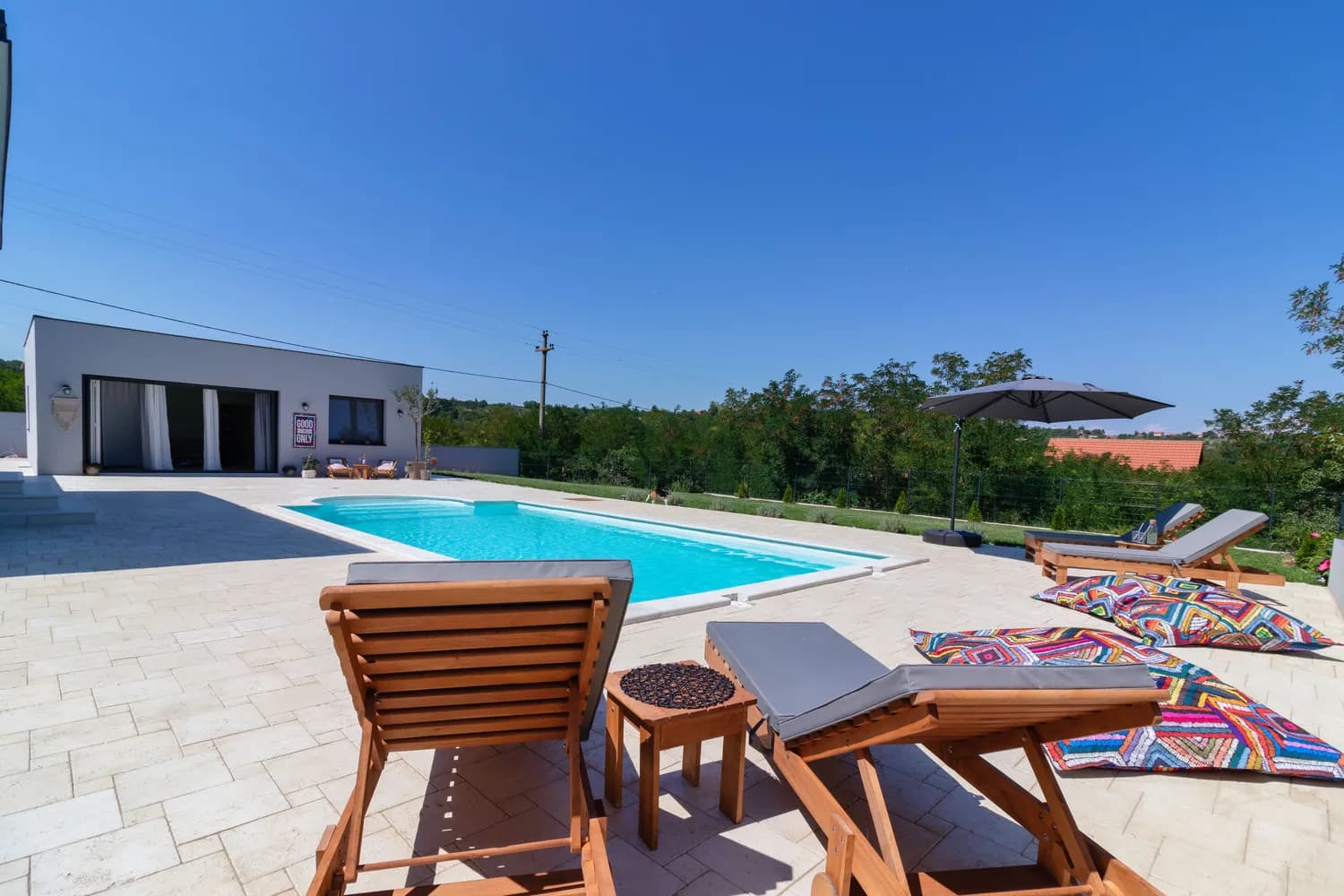
Saltwater systems (electrolysis) and traditional chlorine dosing are the two most common approaches to maintaining water in private pools. Both have their advantages and limitations, and the right choice depends on pool size, frequency of use, and how much time you want to invest in maintenance.
Electrolysis uses dissolved salt in the water to produce chlorine through an electrolytic process — the water feels softer, there's no strong chlorine smell, and daily maintenance is minimal. On the other hand, the initial investment is higher (electrolysis cell, controller, salt), and the cell has a limited lifespan requiring periodic replacement.
Traditional chemical dosing has a lower upfront cost but requires regular manual addition of chlorine, pH regulators, and algicide. Monthly chemical costs can accumulate, especially for larger pools.
This calculator compares the total costs of both systems over a 5 to 10 year period. It includes NPV analysis (net present value), break-even point, and a visual chart — so you can clearly see when electrolysis starts paying off compared to the traditional approach.
Quick start — choose a profile
Pool basics
Enter your pool volume in cubic meters.
How many months per year you use the pool.
Traditional chemistry costs
Estimated annual chemical costs based on volume and season: ~€408
Electrolysis — initial investment (CAPEX)
Electrolysis — annual costs (OPEX)
Average 3-7 years depending on quality and maintenance.
Recommended Products
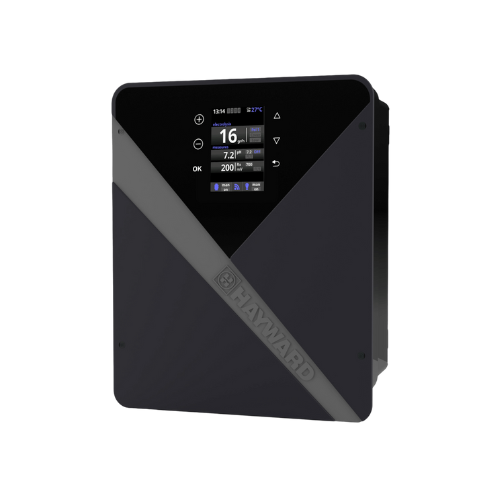
Hayward Elektroliza AquaRite Flo Advanced 33gr/h za bazene do 150m3
Hayward AquaRite Flo Advanced je automatski solni sterilizator koji spaja elektrolizu soli i kontrolu bazenske opreme.
175000
ViewFrequently Asked Questions About Pool Electrolysis
- What is saltwater electrolysis for pools?
- Saltwater electrolysis is a system that uses dissolved salt (NaCl) in the pool and produces chlorine on-site through an electrolysis cell. The pool has mildly salty water (about 3-5 g/L, much less than seawater) and doesn't require manual chlorine addition.
- How much does an electrolysis system installation cost?
- The initial investment for a quality electrolysis system ranges from €1,000 to €2,500, including the device and installation. Cheaper models exist but typically have shorter cell life and fewer features.
- When does switching to electrolysis pay off?
- For most private pools, the switch pays off within 2-4 years, depending on pool size and chemical prices in your region. The larger the pool and longer the season, the faster the return on investment.
- Is saltwater harmful to pool equipment?
- Modern systems maintain a low salt level (3-5 g/L) that is not aggressive toward standard equipment. However, using corrosion-resistant equipment (stainless steel ladders, quality lights) is recommended for maximum lifespan.
- How much salt needs to be added to a pool?
- For a standard 50 m³ pool, about 150-250 kg of salt is needed at the start of the season. Salt is not consumed — it is recycled through electrolysis. Top-ups are only needed to compensate for water loss (splashing, filter backwashing, rain).